Blackjack for Beginners: How to Play and Improve Your Odds Against the Dealer


Blackjack for Beginners: How to Play and Improve Your Odds Against the Dealer
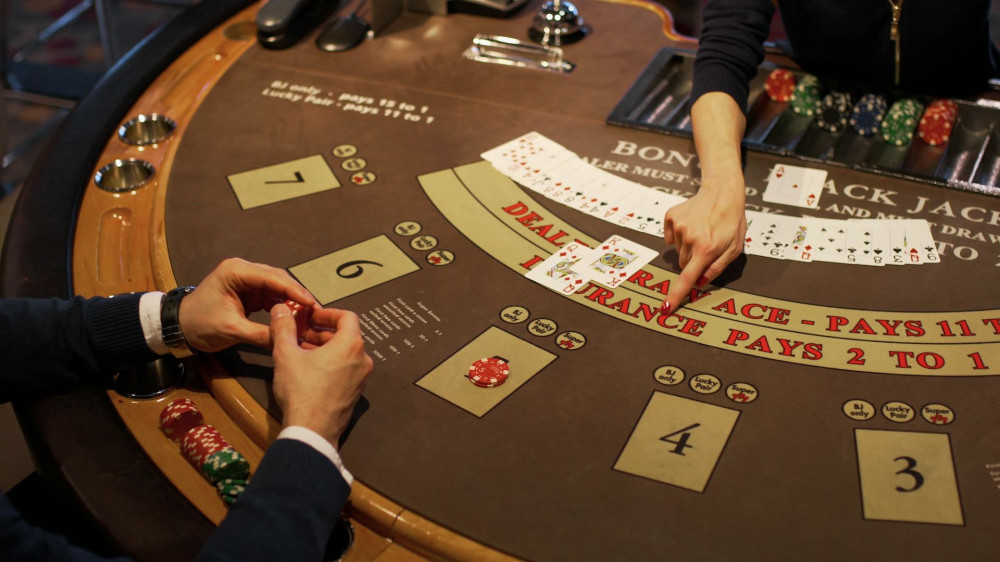
Blackjack is one of the most popular card games in the world – found in casinos from Dublin to Las Vegas, and widely available online. It’s easy to learn, yet offers enough depth to keep players engaged for years. The goal is simple: get a hand closer to 21 than the dealer’s, without going over. Here’s a beginner-friendly guide to understanding the rules, learning basic strategy, and improving your chances at the table.
The Basic Rules of Blackjack
Blackjack is usually played with one or more standard decks of 52 cards. Each player competes individually against the dealer. The card values are as follows:
- 2–10 count as their face value.
- Face cards (Jack, Queen, King) count as 10.
- Aces can count as either 1 or 11, whichever benefits your hand most.
Each player is dealt two cards, and the dealer also receives two – one face up and one face down. You then decide how to play your hand:
- Hit – take another card to get closer to 21.
- Stand – keep your current total and end your turn.
- Double down – double your bet and receive one more card.
- Split – if you have two cards of the same value, you can split them into two separate hands.
Once all players have finished, the dealer reveals their hidden card and draws until reaching at least 17. If the dealer goes over 21, all remaining players win.
What Is a “Blackjack”?
A “blackjack” is when your first two cards are an Ace and a 10-value card, giving you a total of 21. It’s the best possible hand and usually pays out at 3:2, unless the table rules specify otherwise.
How to Improve Your Odds
While blackjack involves luck, it’s also a game of strategy. By following a few key principles, you can significantly reduce the house edge.
1. Learn Basic Strategy
There’s a mathematically optimal way to play every possible hand, depending on your cards and the dealer’s upcard. This is known as basic strategy. It tells you when to hit, stand, double, or split. Many online casinos and some land-based venues allow you to use a strategy chart while playing – a great tool for beginners.
2. Understand the House Rules
Small rule variations can make a big difference to your odds. For example:
- Does the dealer hit or stand on a “soft 17” (a hand containing an Ace counted as 11)?
- Can you double down after splitting?
- How many decks are used in the game?
The more favourable the rules are to the player, the lower the house edge will be.
3. Avoid the Insurance Bet
When the dealer shows an Ace, you’ll often be offered “insurance” – a side bet that the dealer has blackjack. It might sound tempting, but statistically it’s a poor bet. In the long run, it costs players more than it saves. Stick to your main hand instead.
4. Manage Your Bankroll
Responsible bankroll management is essential. Set a budget before you start playing and stick to it. Divide your bankroll into smaller units so you can play more hands without risking everything at once. Remember, blackjack should be fun – not stressful.
5. Stay Calm and Focused
Blackjack rewards patience and concentration. Avoid making impulsive decisions after a loss or chasing your bets. Take breaks, stay hydrated, and keep a clear head. The best players are those who stay composed, even when the cards don’t go their way.
Practising Online
If you’re new to blackjack, online platforms are a great place to start. Many Irish-friendly casino sites offer free or low-stakes versions of the game, allowing you to practise without financial pressure. You can also explore different variants such as European Blackjack, Atlantic City Blackjack, or Live Dealer Blackjack, each with its own set of rules and atmosphere.
Common Myths About Blackjack
There are plenty of misconceptions about blackjack. Here are a few to watch out for:
- “Always hit if you have less than 17.” – Not always true; it depends on the dealer’s upcard.
- “You can predict the next card.” – In modern casinos and online games, this is virtually impossible.
- “You’re more likely to win if the table is full.” – The number of players doesn’t affect your odds against the dealer.
Understanding the difference between myth and fact is key to becoming a smarter player.
Læs også:



Play Responsibly – and Enjoy the Game
Blackjack combines luck, skill, and psychology in a way few other games do. It’s exciting, social, and strategic – but it’s important to remember that the house always has a small edge. Play for entertainment, not profit, and know when to walk away.
With a bit of practice, a grasp of the rules, and a solid strategy, you can give yourself the best possible chance to beat the dealer – and have a great time doing it.
Læs også: