Bingo and Charity: A Historical Connection


Bingo and Charity: A Historical Connection
When people in Ireland think of bingo today, they might picture lively nights in community halls, parish centres, or even online games shared among friends. But behind the cheerful calls of numbers and the thrill of a full house lies a long tradition that connects entertainment with generosity. Bingo has never been just a game – it has been a way to bring people together and raise funds for good causes.
From Italian Lottery to Irish Halls
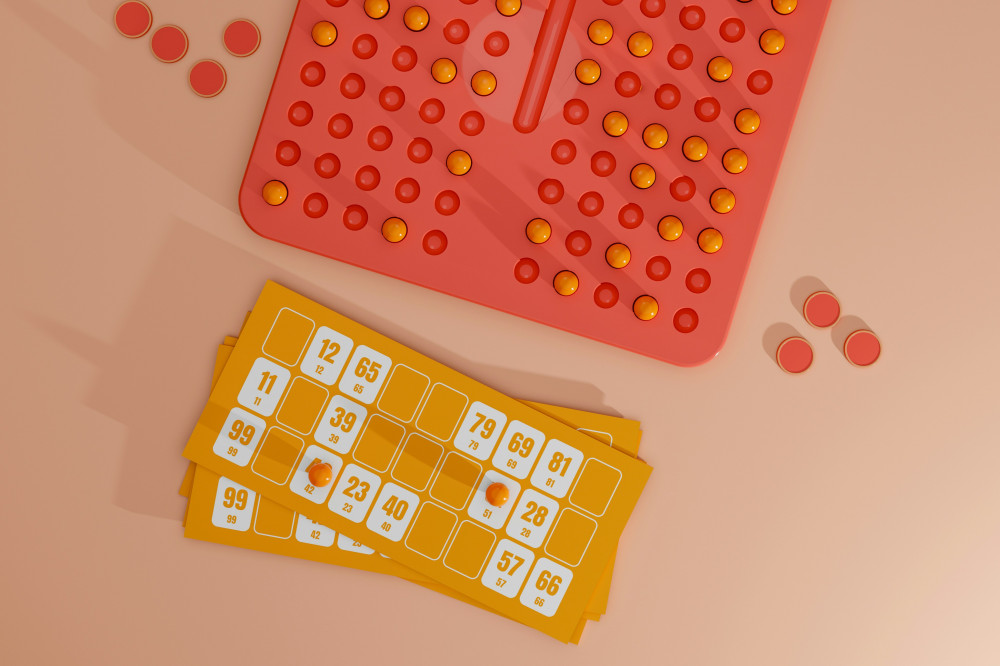
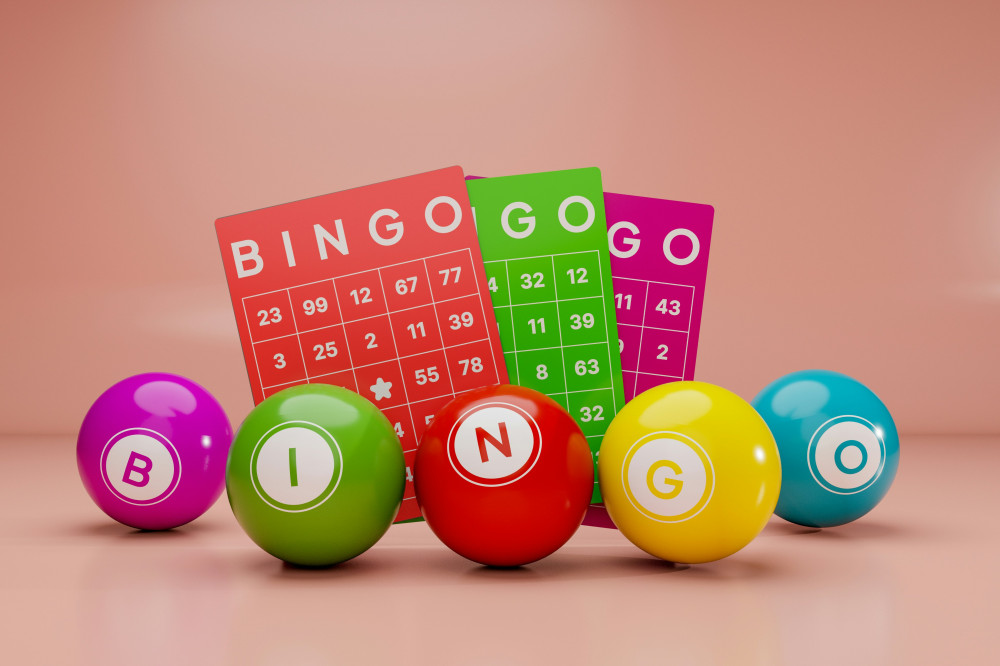
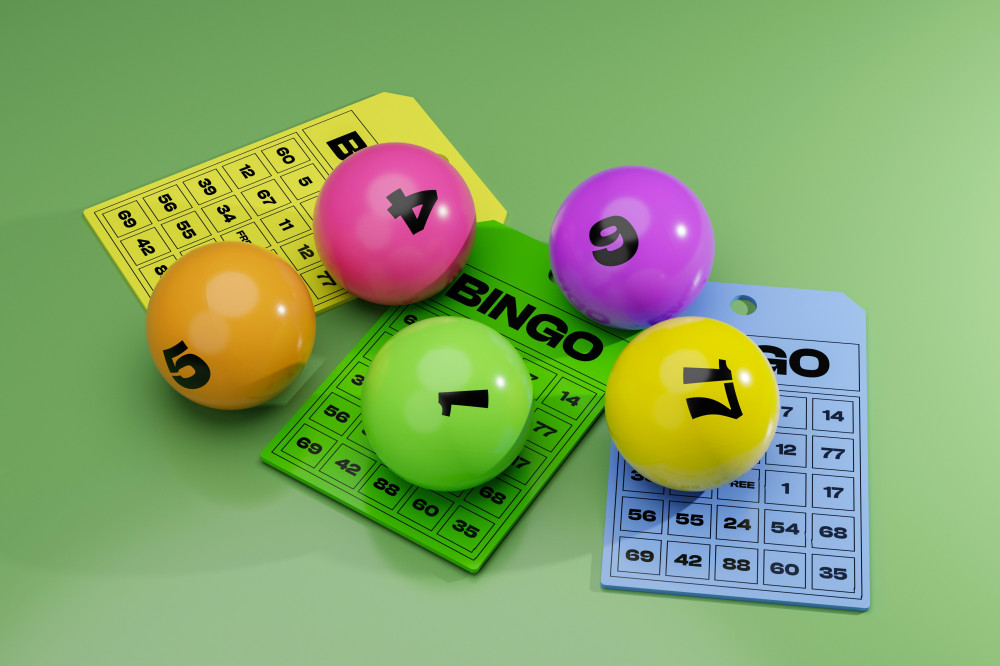
The story of bingo begins in 16th-century Italy, where a lottery game called Lo Giuoco del Lotto d’Italia captured the imagination of players across social classes. The game spread through Europe, reaching France and Germany, where it was used both for fun and as an educational tool. In the 1920s, it crossed the Atlantic to the United States, where a toy salesman named Edwin S. Lowe popularised the modern version and gave it the name “Bingo.”
By the mid-20th century, bingo had made its way back across the ocean to Ireland and the UK. It quickly became a favourite pastime in towns and villages, offering affordable entertainment and a chance to win small prizes. But more importantly, it became a cornerstone of community fundraising.
Bingo in the Parish and the Community
In Ireland, bingo found a natural home in parish halls and GAA clubs. From the 1950s onwards, local churches, schools, and sports organisations began hosting bingo nights to raise money for building projects, youth programmes, and charitable causes. The format was simple: a small entry fee, modest prizes, and the satisfaction of knowing that the proceeds would benefit the local community.
For many parishes, bingo nights became weekly traditions. They were social events as much as fundraisers – a chance for neighbours to meet, chat, and share a laugh. The money raised often went towards maintaining parish buildings, supporting local charities, or funding community initiatives such as playgrounds and youth clubs.
Læs også:


A Game with a Social Heart
Beyond the financial support it provided, bingo played a vital social role. In rural Ireland, where isolation could be a challenge, bingo nights offered companionship and a sense of belonging. For older generations, they were a highlight of the week – a familiar routine that kept people connected and engaged.
Charitable organisations also recognised bingo’s potential. Groups such as the Irish Red Cross, St. Vincent de Paul, and countless local fundraising committees have used bingo to support their work. The game’s inclusive nature – easy to learn, inexpensive to play, and open to all – made it an ideal tool for community-based charity.
From Halls to Online Platforms
In recent years, bingo has adapted to the digital age. Online bingo sites and virtual charity events have allowed people to play from home while still supporting good causes. During the COVID-19 pandemic, when in-person gatherings were restricted, many Irish communities organised virtual bingo nights via video calls, keeping the spirit of togetherness alive even in isolation.
Today, hybrid events – combining live and online participation – are becoming more common. Many of these continue the charitable tradition, donating a portion of proceeds to local hospitals, mental health initiatives, or community development projects.
A Tradition That Endures
The enduring appeal of bingo lies in its simplicity and its heart. From its origins in Renaissance Italy to the parish halls of Ireland and the digital platforms of today, bingo has always been more than a game. It is a symbol of community spirit – a way to turn fun into generosity and chance into change.
So the next time someone calls out “Bingo!” in a hall or on a screen, it’s not just a cry of victory. It’s an echo of a long-standing Irish tradition where play, friendship, and charity come together for the good of all.
Læs også: