From Past to Present: Historical Games That Shaped Today’s Casino Rules

From Past to Present: Historical Games That Shaped Today’s Casino Rules
When you step into a modern casino—whether in Dublin, Galway, or online—you’re greeted by a dazzling mix of games that seem entirely contemporary. Yet behind the sleek graphics and digital interfaces lies a story that stretches back centuries. Many of today’s casino rules were not invented overnight; they evolved through generations of experimentation, regulation, and cultural exchange. This article explores how historical games have shaped the rules and principles that define modern casinos.
From Ancient Dice to the Birth of Chance
The roots of gambling reach deep into ancient history. Archaeologists have found dice carved from bone and ivory in Egyptian tombs and Roman ruins, showing that games of chance fascinated people thousands of years ago. These early games introduced the concept of randomness—an idea that remains at the heart of every casino game today.
In ancient Rome, gambling was so widespread that authorities tried to control it through laws and restrictions. While betting for money was often banned, special permissions were sometimes granted for festivals or private gatherings. This early attempt at regulation foreshadowed the licensing systems that now govern casinos across the world, including those regulated by the Irish Revenue Commissioners and the Department of Justice.
The Journey of Playing Cards Through Europe
Playing cards arrived in Europe in the late 14th century, likely brought by traders from Asia. Initially a pastime for the wealthy, card games quickly spread across all social classes once printing made decks affordable. Games like baccarat and vingt-et-un—the ancestor of blackjack—emerged in France and Italy, each with its own evolving set of rules.
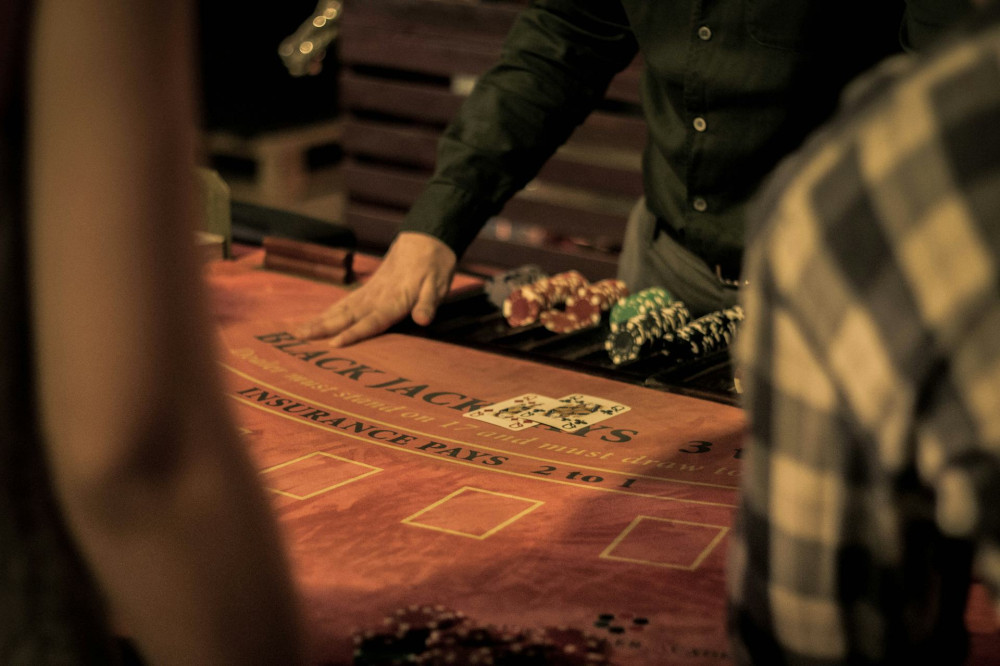
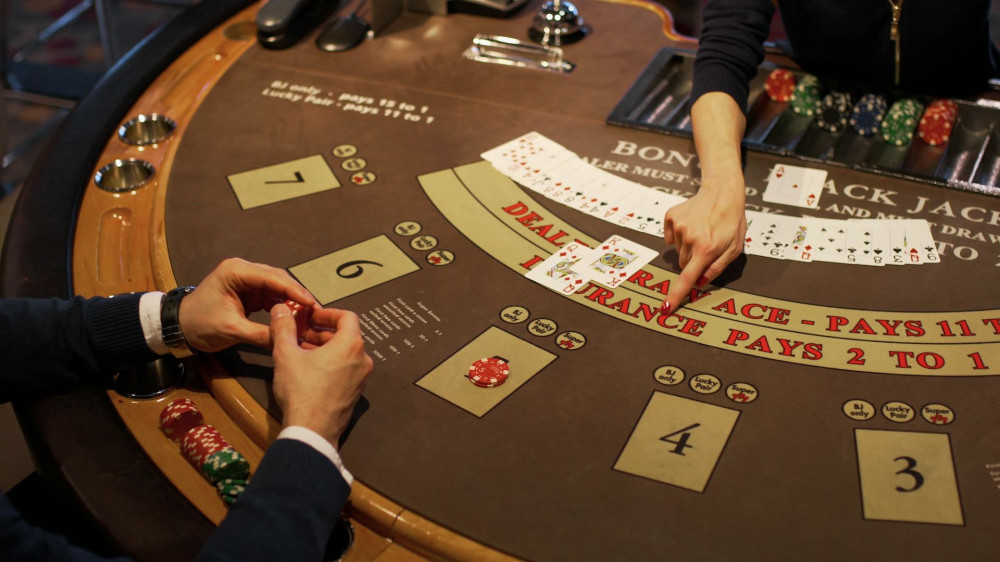
As these games spread, so did the need for consistency. Rules about how dealers should act, how bets should be placed, and how winnings should be paid became standardised. When you play blackjack in an Irish casino today, you’re following principles that were first written down more than two centuries ago.
Roulette: From Scientific Curiosity to Casino Icon
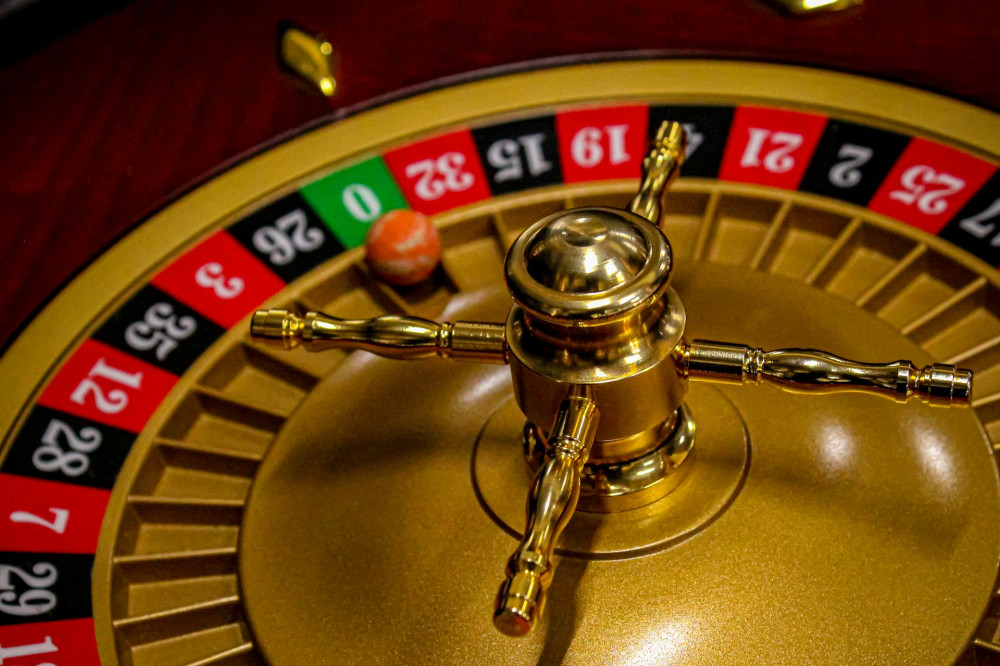
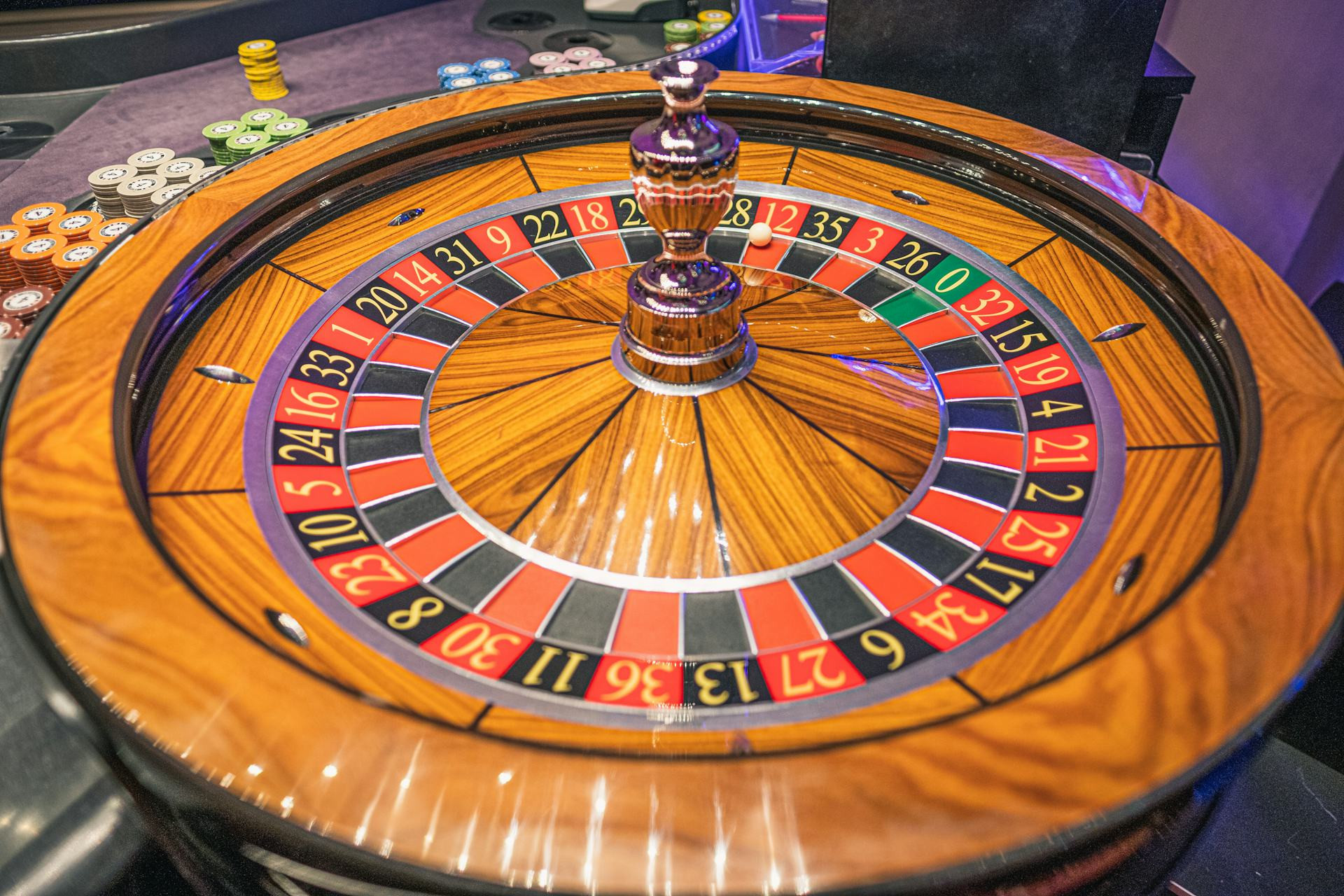
Roulette’s story begins in 17th-century France, where mathematician Blaise Pascal accidentally created the first roulette wheel while experimenting with perpetual motion. Over time, the game evolved into the elegant version we know today, with its distinctive red and black wheel.
By the 19th century, roulette had become a symbol of sophistication in European casinos. To ensure fairness, operators introduced standardised wheels, fixed payout ratios, and strict betting procedures. These measures laid the foundation for modern casino regulation—ensuring transparency, fairness, and trust between players and the house.
Poker and the American Influence
While Europe refined roulette and baccarat, poker was taking shape in the United States during the 1800s. Played on riverboats and in frontier saloons, poker quickly became a national pastime. But its popularity also brought disputes, leading to the creation of formal rules that defined hand rankings, betting rounds, and dealer responsibilities.
By the early 20th century, poker tournaments had established official rulebooks, many of which still guide casino play today. The emphasis on “fair play” and “house rules” became central to the modern gaming industry. When online poker took off in the early 2000s, these same principles were simply adapted to the digital world.
Læs også:


From Prohibition to Regulation
The history of gambling is also a story of shifting laws and moral attitudes. For centuries, many governments banned gambling outright, associating it with vice and disorder. But as societies modernised, regulation replaced prohibition. Authorities realised that controlled gambling could generate revenue and protect players more effectively than outright bans.
In Ireland, this shift is reflected in the ongoing modernisation of gambling laws, including the establishment of the Gambling Regulatory Authority. The goal is the same as it was in ancient Rome: to balance entertainment with responsibility, ensuring that games are fair, transparent, and safe.
Digital Casinos: Old Rules in a New World
The rise of online casinos has transformed how people play, but not what they play by. The same mathematical principles, betting limits, and fairness standards that governed physical casinos now operate through algorithms and licensing frameworks. Irish players accessing licensed online platforms are protected by rules that trace their lineage back hundreds of years.
Technology has also introduced new tools for responsible gaming—such as self-exclusion options and spending limits—continuing the long tradition of balancing excitement with accountability.
Games as a Reflection of Society
Looking back, it’s clear that casino rules are more than just technical guidelines; they mirror the values of the societies that created them. From ancient dice games to digital poker tables, gambling has always reflected humanity’s relationship with chance, risk, and reward. The rules we follow today are the product of centuries of adaptation—proof that even in a world of instant play and online jackpots, history still shapes the way we play.
Læs også: