Roulette Across Cultures: How the Odds and the Game’s Presentation Vary


Roulette Across Cultures: How the Odds and the Game’s Presentation Vary
Roulette is one of the most recognisable casino games in the world – a symbol of glamour, chance, and anticipation. Yet, while the spinning wheel and bouncing ball are universal icons, the way the game is played and presented varies widely from one culture to another. From the refined casinos of Monte Carlo to the buzzing floors of Las Vegas and the high-tech halls of Macau, roulette takes on a distinct local character. Here, we explore how the odds, atmosphere, and traditions surrounding the game differ across regions – and what that means for players in Ireland and beyond.
European Roulette – Balance and Tradition
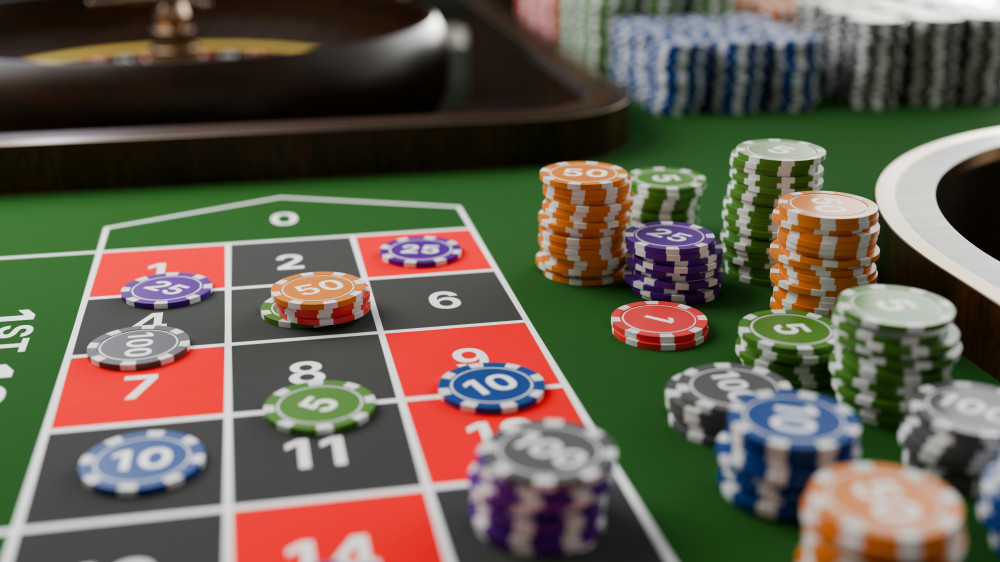
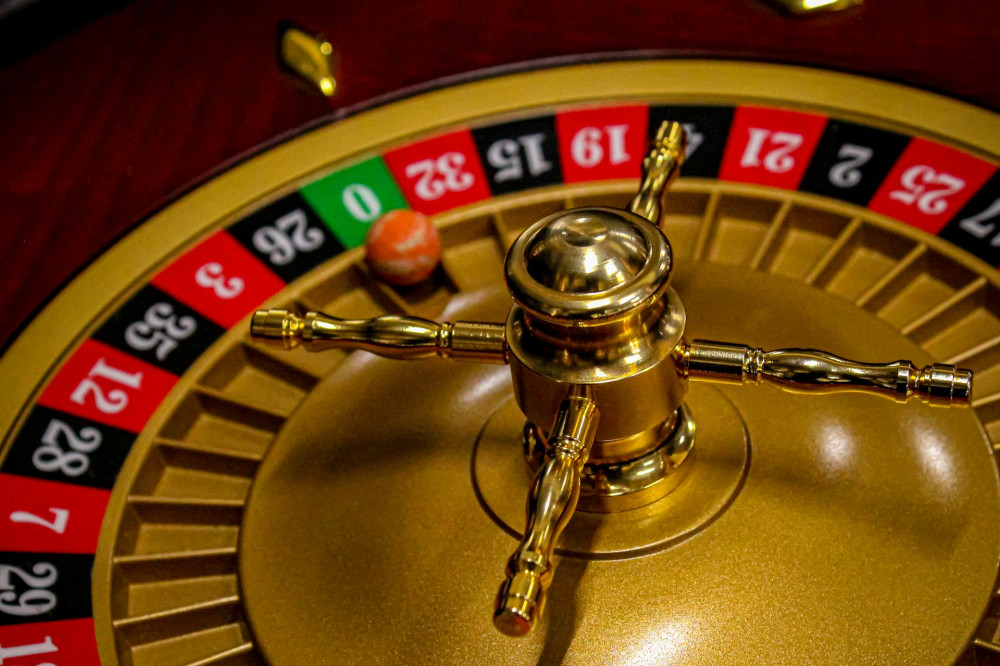
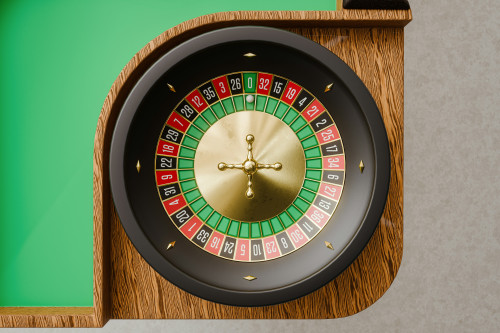
European roulette is the version most commonly found in Irish and other European casinos. The wheel features 37 pockets – numbers 1 to 36 plus a single zero – giving the house an edge of 2.7%. This relatively low house advantage makes it a favourite among players who value fair odds and a steady pace.
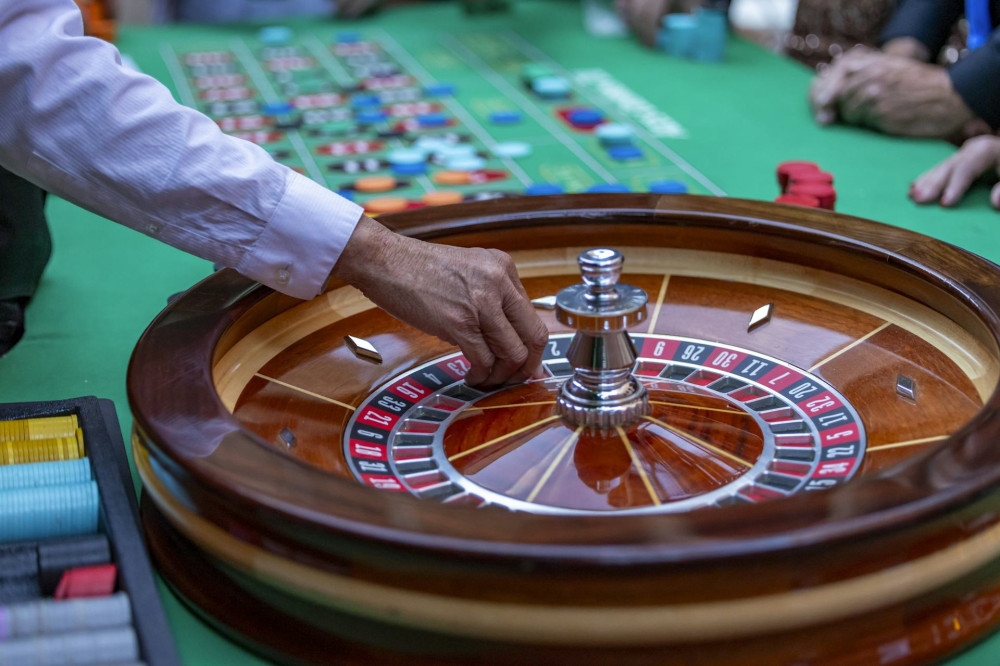
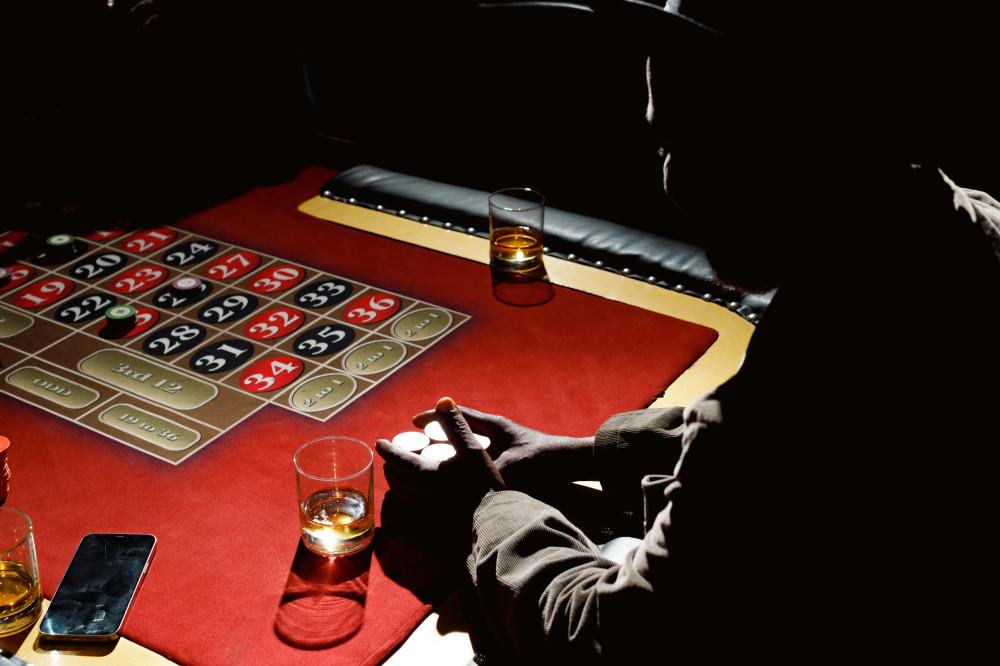
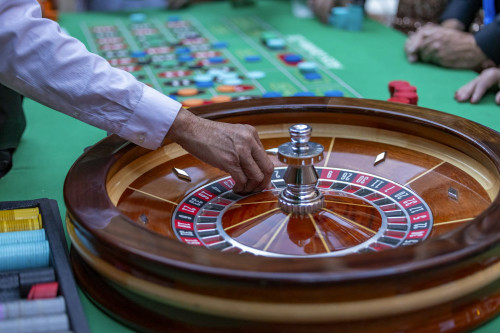
In Europe, roulette is often associated with sophistication and decorum. Whether in Dublin’s casino lounges or the grand halls of Monte Carlo, the game is played with a sense of ritual. The croupier’s movements are precise, the atmosphere calm, and players tend to place their bets thoughtfully rather than impulsively. It’s a game that rewards patience and observation as much as luck.
American Roulette – Faster Pace, Higher Stakes
When roulette crossed the Atlantic in the 19th century, it evolved to suit American tastes for speed and excitement. The American wheel includes an extra pocket – the double zero (00) – bringing the total to 38 numbers. This small change increases the house edge to 5.26%, making it less favourable for players but more dynamic in pace.
In Las Vegas or Atlantic City, roulette is part of a lively, social experience. The music is louder, the spins come faster, and the crowd is more vocal. Many American casinos also feature electronic or “mini” roulette tables, allowing multiple games to run simultaneously. The focus is as much on entertainment and energy as on strategy.
Læs også:


French Roulette – Elegance and Special Rules
French roulette, often seen as the most refined version, shares the same wheel as the European game but introduces special rules that slightly improve the player’s odds. The “La Partage” and “En Prison” rules mean that if the ball lands on zero, players either recover half their even-money bet or have it “imprisoned” for the next spin. These rules reduce the house edge even further.
The French version is steeped in history and language – with terms like rouge et noir (red and black) and pair et impair (even and odd) adding to its charm. It’s a game that evokes the elegance of 19th-century Paris and the origins of European casino culture.
Asian Roulette – Technology and Symbolism
In Asia, particularly in Macau and Singapore, roulette has embraced technology and collective play. Many casinos feature hybrid tables where bets are placed digitally while a physical wheel determines the outcome. This allows for faster play and accommodates large groups of players at once.
Cultural beliefs also influence how the game is approached. Numbers and colours carry symbolic meanings – for instance, the number 8 is considered lucky, while 4 is often avoided. These traditions shape betting patterns and add a layer of cultural richness to the experience. The result is a blend of modern gaming technology and deep-rooted symbolism.
Online Roulette – A Global Game with Local Flavours
With the rise of online casinos, roulette has become a truly global pastime. Irish players can now join live tables streamed from studios in Malta, Riga, or even Dublin itself. Most platforms offer European, American, and French versions, along with creative twists like “Lightning Roulette” or “Speed Roulette,” which add multipliers or faster rounds.
Even online, cultural preferences shine through. European sites tend to emphasise realism and classic design, while American and Asian platforms often highlight flashy graphics, quick gameplay, and bonus features. For Irish players, this means a wealth of choice – from traditional live-dealer tables to fast-paced digital spins.
A Universal Game with Local Character
Whether you’re playing in a Dublin casino, a Las Vegas resort, or on your phone at home, roulette remains a game that unites people through shared excitement. The spin of the wheel represents both chance and hope – a moment where anything can happen.
The variations in rules and presentation tell a story of how culture shapes even the most universal games. Yet, when the croupier calls “no more bets” and the ball begins to spin, every player, no matter where they are, feels the same thrill: that fleeting instant of suspense before fate decides the outcome.
Læs også: