The Casino Industry as a Reflection of Society’s Attitude to Gambling and Entertainment


The Casino Industry as a Reflection of Society’s Attitude to Gambling and Entertainment
The casino industry has always been more than a place to win or lose money. It mirrors society’s views on risk, leisure, and morality. From the grand casinos of Las Vegas to the online platforms accessible from a smartphone, the evolution of gambling reflects how we, as a society, approach entertainment, technology, and responsibility.
From Exclusive Luxury to Everyday Entertainment
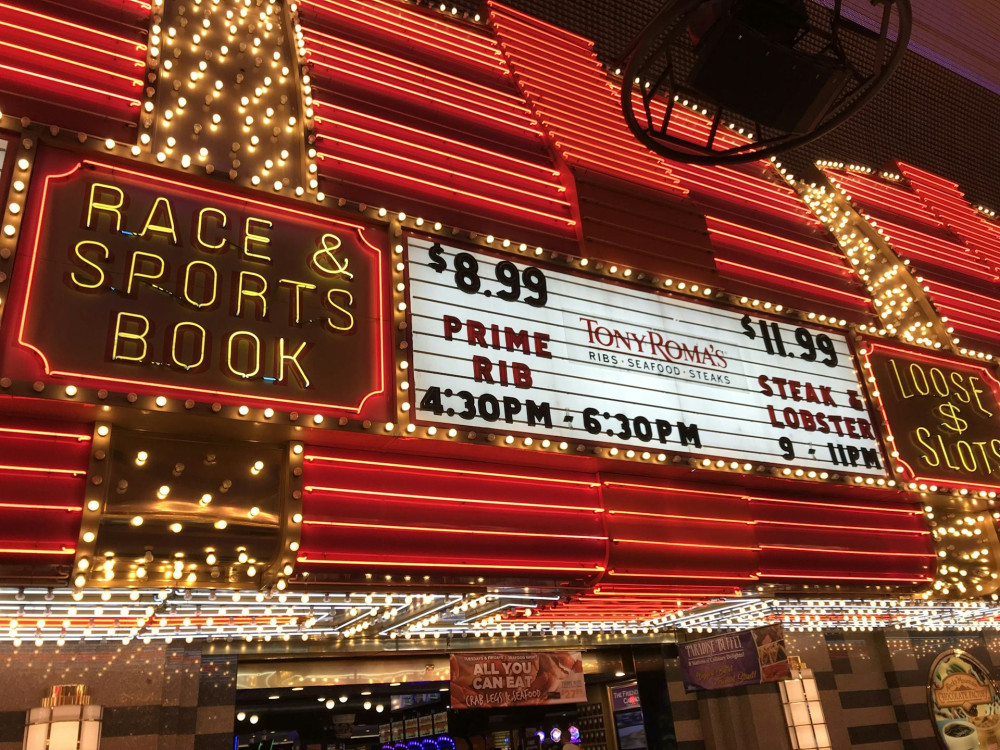
Historically, casinos were associated with glamour and exclusivity. They were places of luxury, frequented by the wealthy and adventurous, where gambling was as much about social status as it was about chance. In Ireland, gambling once carried a certain stigma, often linked to moral or religious concerns. Yet over time, attitudes have softened, and gambling has become a mainstream form of entertainment.
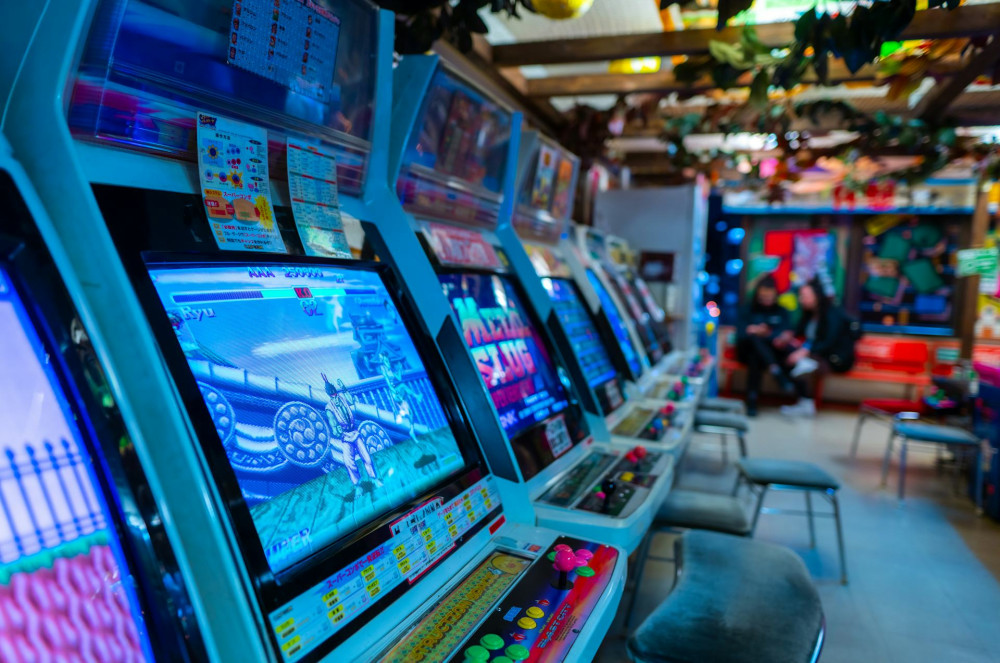
Today, the casino experience is no longer confined to velvet ropes and tuxedos. Online casinos, betting apps, and slot machines in pubs and betting shops have made gambling accessible to almost everyone. This democratization has changed the industry’s image—from elite pastime to everyday leisure activity. But it has also raised new questions about responsibility, regulation, and the social impact of easy access to gambling.
The Role of Technology in Transformation
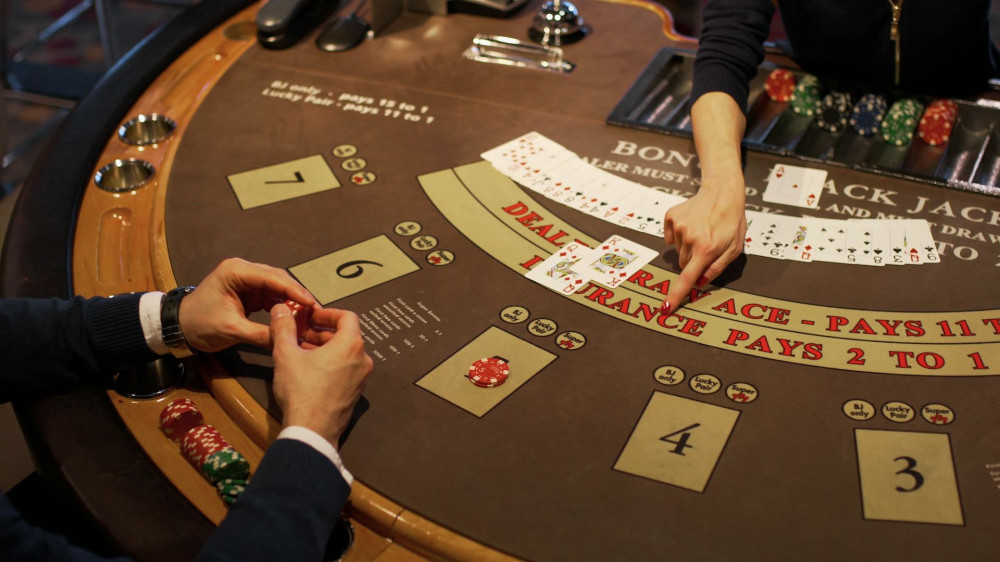
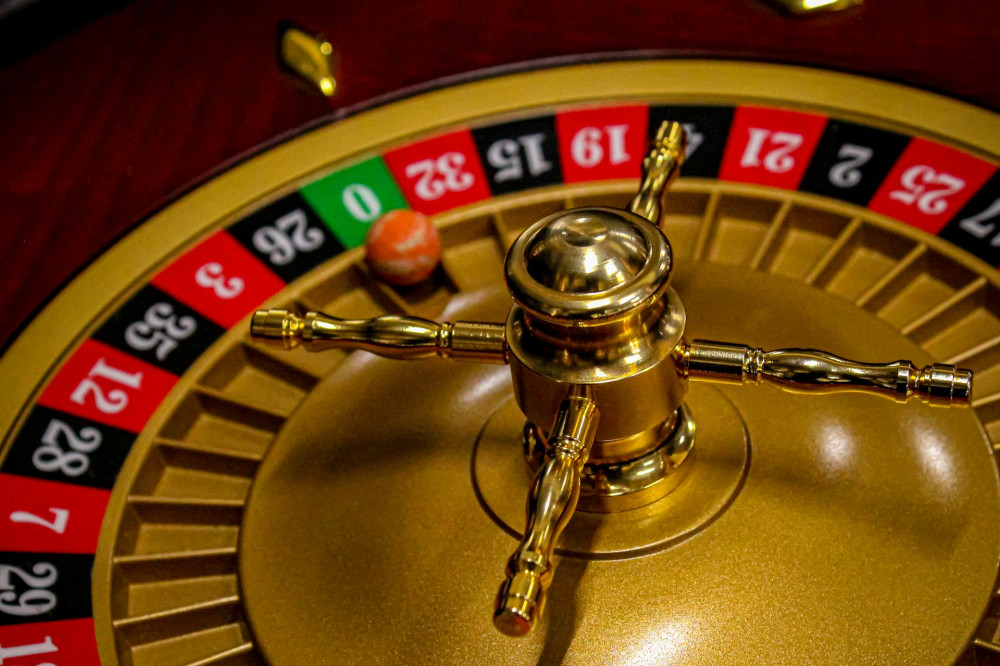
Technology has revolutionised the gambling landscape. With smartphones and high-speed internet, anyone can play poker, spin a roulette wheel, or place a bet from their living room. This convenience has blurred the line between entertainment and risk. In Ireland, where online gambling is growing rapidly, the shift to digital platforms has prompted discussions about how to protect vulnerable players while allowing adults to enjoy their freedom to play.
The rise of live casinos, virtual reality gaming, and gamified betting platforms reflects a broader cultural trend: the merging of entertainment, technology, and social interaction. Gambling is no longer just about money—it’s about experience, community, and the thrill of participation. This mirrors a society increasingly driven by digital engagement and instant gratification.
Morality, Responsibility, and Regulation
As gambling becomes more visible and accessible, the debate about responsibility intensifies. Where does harmless fun end and harmful behaviour begin? In Ireland, policymakers have been working to modernise gambling laws, introducing measures such as the Gambling Regulation Bill and the establishment of a new Gambling Regulatory Authority. These steps reflect a growing awareness that gambling, like alcohol or tobacco, requires a balance between personal freedom and public protection.
Advertising is a key battleground in this debate. While the industry seeks to attract customers through excitement and entertainment, regulators and advocacy groups warn against targeting young or vulnerable audiences. The challenge lies in promoting gambling as a legitimate form of leisure without downplaying its potential risks.
Læs også:


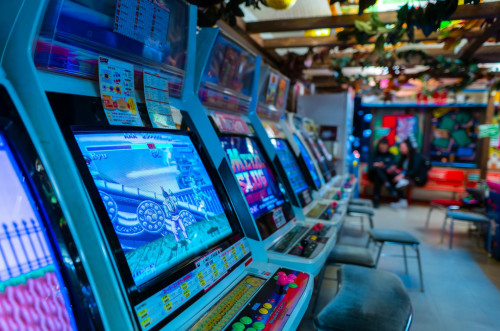

Gambling as a Cultural Phenomenon
Casinos and gambling have long held a place in popular culture. From Hollywood films to Irish folklore, the idea of taking a chance—of testing one’s luck—has always fascinated people. Yet the modern narrative is shifting. As society becomes more conscious of mental health, financial wellbeing, and social responsibility, gambling is increasingly seen through the lens of balance and control rather than glamour and excess.
In Ireland, gambling is also part of a broader social fabric. Whether it’s a friendly poker night, a flutter on the horses at the Galway Races, or a spin on an online slot, gambling often carries a sense of community and shared experience. This social dimension highlights how gambling, when approached responsibly, can be a form of connection as much as competition.
A Mirror of Our Time
The casino industry tells the story of a society in transition. It reflects how we navigate temptation, technology, and responsibility—and how our understanding of entertainment evolves. Where gambling was once a symbol of luxury and risk, it is now a reflection of accessibility, digital culture, and individual choice.
The question is no longer whether we gamble, but how we do it—and what that reveals about us as a society. In that sense, the casino industry is not just a business; it is a mirror, reflecting our values, our habits, and our ever-changing relationship with chance and pleasure.
Læs også: