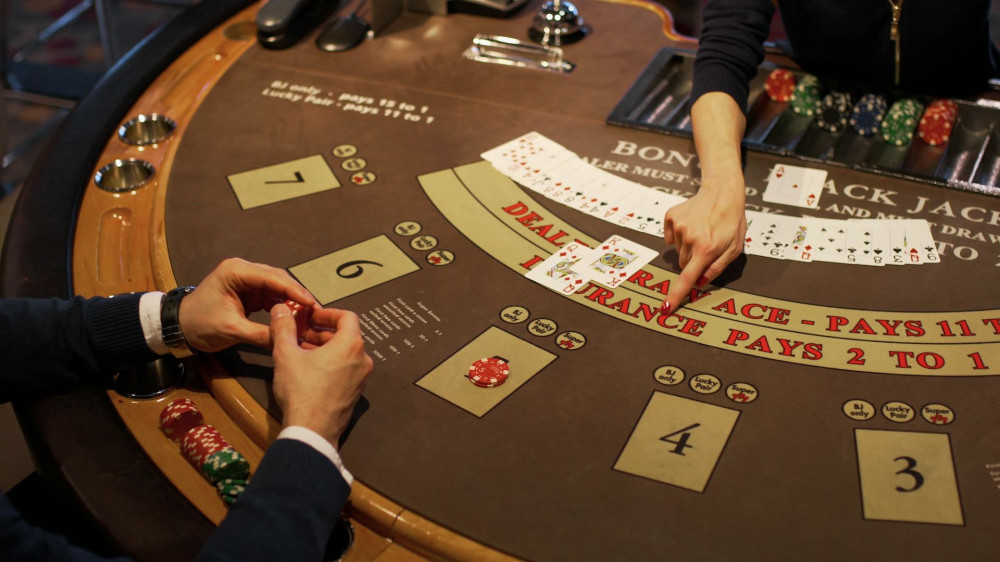
The Power of Community: How Social Connections Can Support Healthy Gaming Habits


The Power of Community: How Social Connections Can Support Healthy Gaming Habits
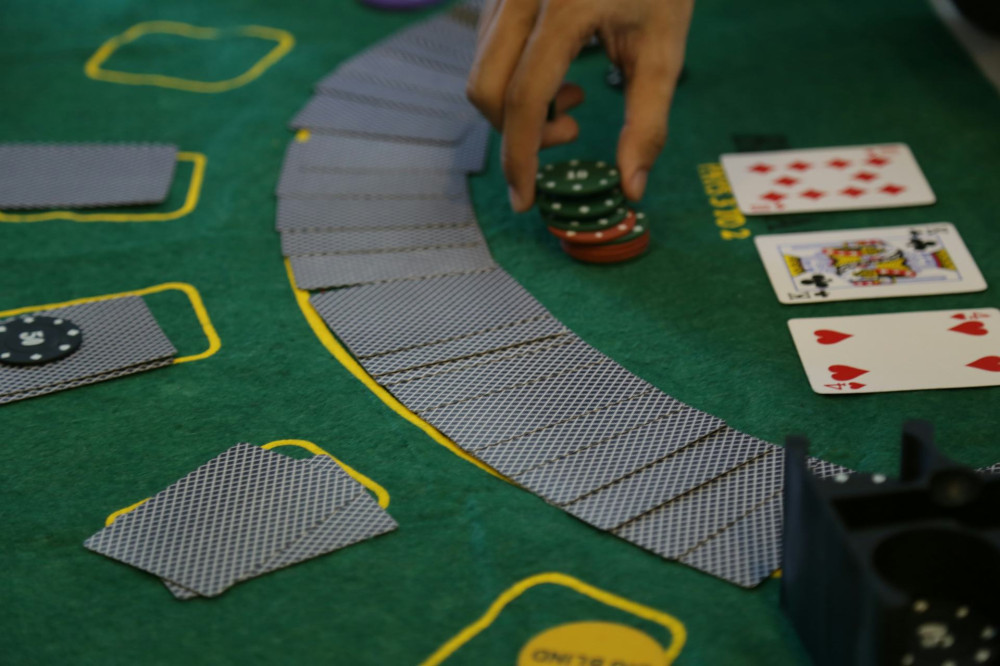
Gaming can be a fun and engaging pastime – whether it’s a friendly poker night, online gaming with friends, or placing a small bet on a weekend match. But like many enjoyable activities, it’s all about balance. Social connections play a key role in maintaining that balance. When we share experiences, set boundaries together, and talk openly about our habits, it becomes easier to keep gaming a positive part of life.
Gaming as a Social Activity – Not an Escape
For many people, gaming is a way to connect. It can bring laughter, excitement, and a sense of belonging. But gaming can also become a way to withdraw from others if it starts to take up too much space in one’s life.
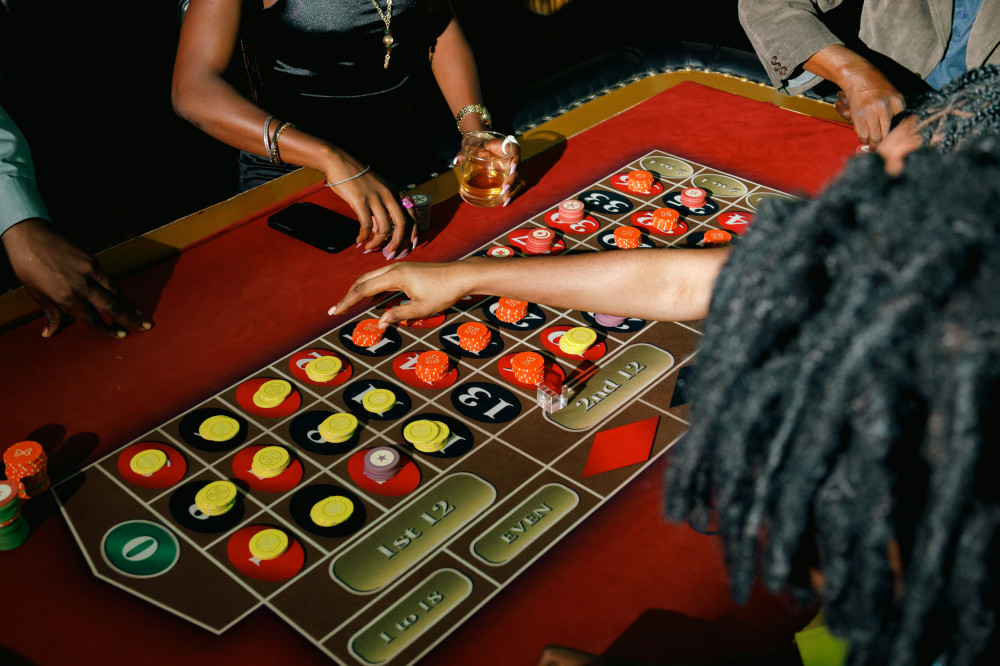
Playing with others – rather than alone – can be an important safeguard. When gaming happens in a social setting, the focus tends to stay on fun and friendship rather than on winning or losing. Friends and family can also help notice if gaming begins to get out of hand.
Talking Openly About Gaming
One of the most effective ways to maintain healthy gaming habits is openness. Many people who struggle with gaming say they kept it hidden for a long time. That secrecy can lead to shame and isolation, making it harder to change habits.
By talking openly about gaming – both the good and the challenging parts – we can break the silence. This might mean chatting with friends, family, or joining a community where people share experiences. Openness makes it easier to get support and to set realistic limits on time and money spent on gaming.
The Role of Community in Setting Boundaries
Social connections can act as a kind of safety net. When others know your habits and interests, it’s easier to stay accountable.
- Make agreements together – for example, about how much time or money to spend on gaming.
- Share experiences – talk about both wins and losses so gaming doesn’t become a private or secret activity.
- Support each other – if a friend seems overly focused on gaming, ask how they’re doing and show care.
Having people who check in can make a big difference in keeping gaming balanced and enjoyable.
Læs også:

Community as Prevention
Across Ireland, there are many ways to enjoy gaming in a healthy, social way – from local board game cafés and esports clubs to community centres that host gaming nights. These spaces focus on fun, strategy, and connection rather than on money or competition.
Such communities can be a great alternative for those who want to keep gaming as a positive hobby while avoiding risky behaviour. They can also offer support for anyone who has struggled with gaming in the past.
When Gaming Becomes Too Much
If gaming starts to take up too much space – financially, mentally, or socially – it’s important to seek help early. That might mean talking to a friend, a family member, or reaching out to a professional support service. In Ireland, organisations such as Gambling Awareness Trust and local counselling services can offer confidential advice and guidance.
Reaching out is not a sign of weakness but of strength. Community can be the key factor that helps someone regain balance and rediscover the joy of gaming as a positive part of life.
Together for Healthy Habits
Healthy gaming habits aren’t just about self-control – they’re about connection. When we play together, talk together, and support one another, it’s easier to hold on to what makes gaming fun and meaningful.
The power of community lies in the fact that no one has to face challenges alone. By using our social bonds actively, we can build a culture where gaming is part of a balanced, healthy everyday life.
Læs også: