Emotions and Expectations: The Human Side of Responsible Lottery Play


Emotions and Expectations: The Human Side of Responsible Lottery Play
Playing the lottery is rarely just about numbers and odds. For many people in Ireland, it’s also about hope, excitement, and the dream of a brighter future — whether that means paying off a mortgage, helping family, or simply enjoying a bit of fun. But behind the quick picks and online draws lies an emotional side that’s worth understanding if we want to play responsibly. This article explores how our feelings and expectations shape the way we play — and how to keep the joy without losing balance.
The Dream of a Lucky Break
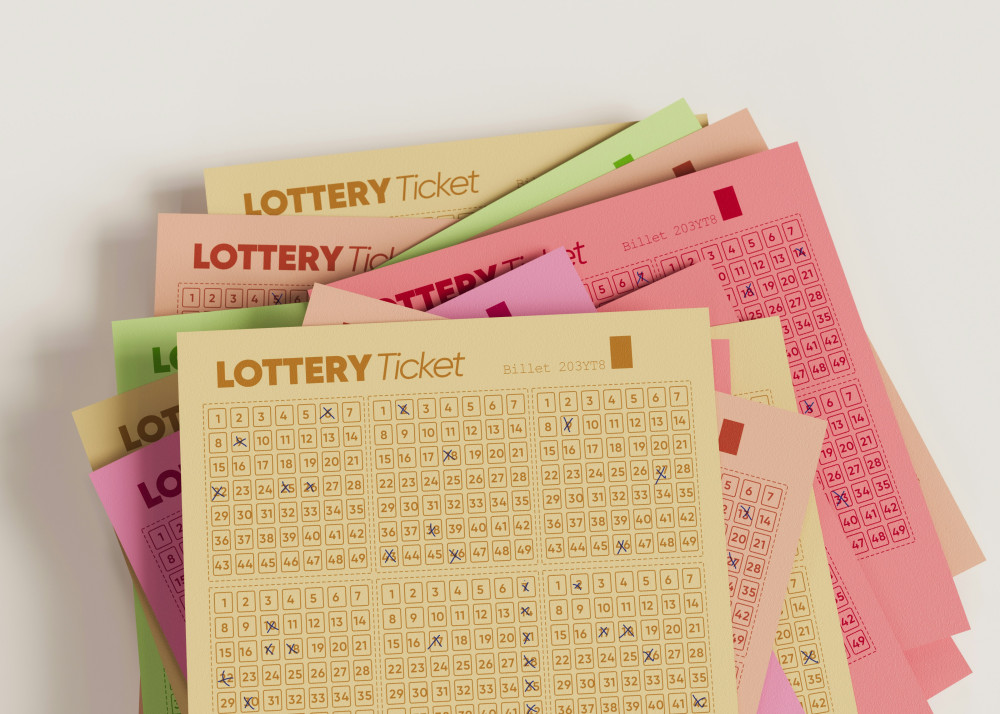
When you buy a lottery ticket, you’re not only buying a chance to win — you’re buying a moment of possibility. It’s that feeling that anything could happen, that life might take an unexpected turn. For many, this small spark of hope is what makes the lottery enjoyable and harmless.
But the dream can also grow too large. If winning starts to feel like the only way to solve problems or find happiness, the game can lose its lightness. Responsible play begins with recognising the difference between dreaming for fun and dreaming as an escape.
The Psychology of Excitement
Lottery play triggers a unique kind of thrill. The brain releases dopamine — the same chemical linked to pleasure and reward — when we anticipate a win. That means the wait for the draw can feel almost as satisfying as winning itself.
This reaction is natural, but it can also lead to playing more than planned. It’s important to notice how the game affects your mood. If the excitement becomes a way to cope with stress or boredom, it might be time to take a step back. The National Lottery and other Irish gaming services encourage players to check in with themselves regularly — not to spoil the fun, but to keep it healthy.
When Expectations Take Over
Many players develop small rituals or beliefs over time — lucky numbers, favourite days, or the sense that a win is “due” after a few weeks without one. These thoughts are human and part of the charm, but they can also create unrealistic expectations.
A responsible approach means keeping perspective. The odds of winning don’t change, no matter how long you’ve been playing. Reminding yourself of that can help keep the game in its proper place — as a bit of entertainment, not a financial plan.
Læs også:


Setting Limits — and Sticking to Them
One of the most effective ways to play responsibly is to set clear limits: how much you’ll spend and how often you’ll play. It sounds simple, but it takes awareness and self-control to stick to those limits, especially when excitement builds.
Today, the Irish National Lottery offers tools to help — such as spending caps, time reminders, and self-exclusion options. Using these tools isn’t a sign of weakness; it’s a sign of strength. It shows that you’re taking charge of your experience and keeping the game enjoyable.
Talking About Play
Although lottery play often feels like a private activity, it can be helpful to talk about it with others. Sharing your experiences — the fun moments and the frustrations — can make it easier to keep a realistic view of the game. It can also help you notice if it’s starting to take up too much space in your life.
For some, chatting with friends or family is enough. Others might find it useful to reach out to support services such as GamblingCare.ie or local counselling organisations. The key is remembering that you’re not alone — and that responsible play also means being open when you need support.
Play with Heart — but Use Your Head
The lottery can bring joy, community, and small moments of hope. That’s part of its appeal. But like many things in life, it’s about balance. When you play with awareness of your emotions and expectations, the experience becomes not only more enjoyable but also healthier.
Playing responsibly doesn’t mean removing the feelings from the game. On the contrary, it means understanding them — so you can enjoy the lottery for what it truly is: a light-hearted game of chance, not a battle against reality.
Læs også: